Simultaneously, customers face the risks of identity theft, damaged credit scores, and the emotional toll of financial fraud. For example, hackers may sell credit card information in bulk, allowing others to commit fraud and financial theft. These findings seem to confirm prevailing hypotheses regarding the location of large-scale hacking operations and the purposeful targeting of Anglo-European countries. If you’re connected to a public WiFi network, avoid making any purchases online while you’re connected to the network as this could place your financial data at risk.
Installing Malware On Devices
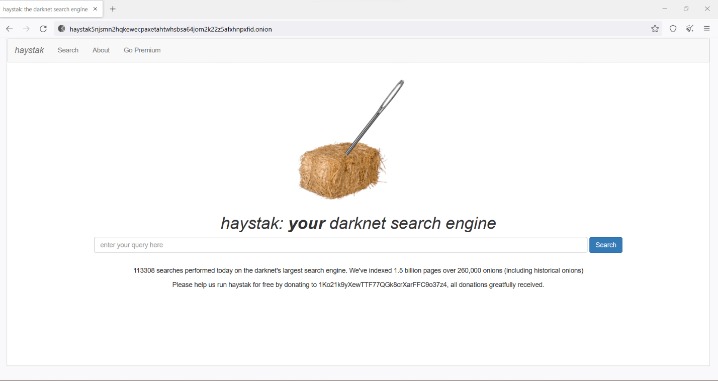
The sites I’ve evaluated this year all had clear web addresses—with ‘.onion’ versions available for some of them. The vast majority (98% of the records) came from Indian banks, Group-IB said in its threat report. The average price for your personal information can range from as little as $1 to more than $4,000. Skimmers are devices installed on ATMs or gas station card readers that capture data from your card’s magnetic strip. Both can operate without your knowledge, allowing thieves to clone your card.
How Do Criminals Steal Credit Card Numbers?
Experts suggest that this giveaway serves as a marketing ploy to attract new users to B1ack’s Stash and establish its dominance in the competitive carding market. Credit card prices also vary depending on the brand, with American Express being worth the most at 5.13 cents per dollar. Carders target sites without these protections, and some vendors even sell lists of “cardable” sites for a few dollars. Thieves often buy cards to use on specific sites that don’t have security features like Verified by Visa (VBV) or MasterCard’s SecureCode. These cards can be used to make purchases online or in-store, and can even be used to withdraw cash from ATMs. Alex Herrick is a seasoned web designer and digital strategist with over a decade of experience in the industry.
How Credit Card Numbers Are Compromised
Proper credit card fraud detection can save you from losing thousands to scammers. Learn how to detect fraud early and how to prevent it before it happens. The credit cards could come from multiple sources, including from malware forced into online shops, individual user malware attacks, or from breaches of companies who store credit card info. Illegal activities thrive on the dark web, including the illicit trade and sale of credit card information. Criminals use stolen credit card data to make unauthorized transactions, purchase illegal goods, or fund other illegal activities. The dark web provides an anonymous and unregulated platform for these transactions, making it difficult for authorities to trace and shut down such activities.
The Easy Way In/Out: Securing The Artificial Future, Trend Micro Security Predictions For 2025
Public data breaches occur when a company you have an account with or work for experiences a breach that exposes customer and employee Personally Identifiable Information (PII). Depending on the type of user and employee information the company stores, the type of information that can be exposed varies. If you’ve received a data breach notification, reach out to your bank or credit card provider about getting a replacement card. This password unlocked access to credit histories and personal information, which could be used to obtain credit card numbers. A lone hacker broke into the company’s systems and stole personal identification and credit/debit card data.
Due to limited data on credit cards from other countries, we were unable to adequately compare prices for credit cards from different places. If you notice suspicious activity, you can pause or close your virtual card in a few clicks—–via either Privacy’s web app or mobile app—and Privacy will decline any subsequent payment requests on the card. You won’t have to block and replace your actual payment card, which is often a complicated and lengthy process. Millions of customers’ card data have been compromised in the past decade.
How Technology Is Evolving To Counter Card Fraud On The Dark Web
Legitimate users of the dark web include activists, or people who live under oppressive regimes, but they only account for a small percentage of the dark web. The sale of payment card information is big business; in 2022, the average price of stolen credit card data averaged between $17 and $120, depending upon the account’s balance. Dark web monitoring platforms, such as Lunar, provide an automated solution to safeguard personal identifiable information (PII) and credit card details. These platforms continuously scour the deep and dark web, looking for any traces of your sensitive information. By setting up alerts, businesses can receive notifications whenever their PII or credit card information appears in suspicious contexts.
Telegram Carding Groups
- The pricing varies based on the card type, with premium cards from certain banks fetching higher prices.
- The illegal carding market, which can be accessed through the dark web, went live during June, 2022.
- These platforms serve as hubs for cybercriminals to easily buy and sell compromised payment card details, including credit card numbers, CVV codes, expiry dates, and cardholder information.
- A 2019 data leak of another shop, BriansClub — which appears to have been by a competitor, according to Threatpost —shows how pervasive this trend has become.
Criminals leverage various tactics, both old and new, to access sensitive financial information. Understanding these methods can help you protect yourself and your financial data. Regularly review your credit card statements and bank transactions for any unauthorized activity. Many banks offer transaction alerts via SMS or email, which can help you monitor your accounts in real time. Setting up these alerts can provide an extra layer of security by notifying you of any irregular activities as they happen. It’s illegal to buy or sell stolen credit card numbers on the dark web or anywhere else.
- Public Wi-Fi networks are usually not encrypted, which allows hackers to easily intercept your data.
- The re-shipper then assembles multiple packages and ships them usually outside the country, or directly to someone who purchases the goods from an auction site the fraudster has posted the goods to.
- In this article, we delve into practical strategies to protect against dark web card number theft, ensuring your financial data remains secure.
- Its investigation will focus on whether Optus took reasonable steps to protect the personal details of customers and whether the information collected and retained was necessary to its business.
The resulting financial loss is tremendous not only for the individual victim but also for the financial provider and any involved organizations. This article will explore credit card theft on the dark web, explain how criminals obtain and use stolen data, and explain how to detect and prevent credit card fraud. Monitoring the activity on these platforms is crucial for fraud detection, brand protection, and financial intelligence.
CISO’s Guide To Threat Intelligence 2024: Best Practices
Some of the more sophisticated underground shops even have a money-back guarantee on some of the data they sell. This often includes a “checker service,” a compromised merchant account they use to run dinky charges through to see if the card is still valid, Krebs says. If someone agrees to use the shop’s checker service instead of a third party, the shop will give a guarantee that at least a portion of the cards are usable for a certain period of time. Sometimes hackers will commit “card-present fraud” by breaching the point of the sale at a physical store. Or they’ll commit “card-not-present fraud,” by hacking a website and stealing the online card information that gets entered into the checkout page. By offering free access to such a vast amount of stolen data, the operators aim to build credibility among cybercriminals and entice them to purchase premium services or datasets from their platforms.
Join LifeLock Ultimate Plus to get a range of features that can help you protect against the risk of credit card fraud, including bank and credit card alerts that make it easier to spot fraudulent charges. Early detection is key to stopping criminals before they cause serious damage. These days, criminals use a variety of methods to steal credit card numbers without ever needing a physical card. Learn about some of the most common techniques and join LifeLock Ultimate Plus for credit card transaction alerts and other fraud detection and identity theft protection features. Cyble Research Team has correlated the leaked credit cards information details (and the BINs) with the respective banks, their location (country) as well their types, etc.
Enhance Your Threat
A second major leak of cards relating to Indian banks has been detected by Group-IB, with over 1.3 million credit and debit card records being uploaded to the Joker’s Stash marketplace. Regularly monitoring your credit card statements can help you detect any suspicious activity, such as unauthorized transactions. Dark web credit card fraud poses serious risks to consumers and businesses alike.