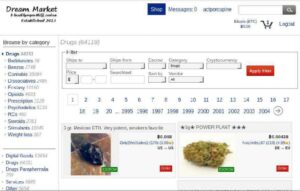
Malicious threat actors also sell login credentials to banking app accounts with funds in them. The term “deep web” denotes segments of the internet that remain unindexed by conventional search engines like Google, Bing, or Yahoo. These unindexed parts of the web are often composed of dynamic content, password-protected sites, databases, or content that requires specific protocols or permissions to access. At Cybernod, we specialize in providing comprehensive cybersecurity solutions tailored to your business needs. Our professional assessments include deep web monitoring to detect potential risks and offer actionable insights to secure your digital assets.
CISOs Brace For Supply Chain Attacks With Proactive Attack Surface Monitoring

As such, the Deep Web forms a critical layer of the modern economy—one that manages, analyzes, and protects the flow of financial information. Websites often use SSL (Secure Sockets Layer) and HTTPS protocols to ensure that data transferred between the user and the server is encrypted. Authentication systems ensure that only authorized users can access specific content. The Dark Web is a small, intentionally hidden portion of the Deep Web that requires special software, configurations, or authorization to access. The most famous gateway to the Dark Web is the Tor network—short for “The Onion Router”—which anonymizes users and allows them to access sites with the “.onion” suffix.
Privacy Protection:
OnionShare is a popular open-source tool that allows users to share files securely and anonymously via Tor, widely used by activists and journalists for confidential document distribution. The Tor Project’s official onion site offers secure downloads of the Tor Browser and developer resources, helping users access and contribute safely to the Tor ecosystem. These platforms underpin the technical infrastructure necessary for dark web functionality. The Deep Web refers to all parts of the internet that are not indexed by standard search engines. It includes private databases, subscription-based services, and other secure platforms. Staying ahead of dark web threats in financial services is not a one-time effort, but a continuous process of monitoring, learning, and adapting.
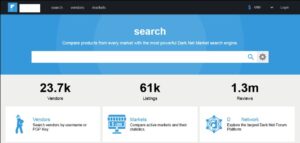
Best Dark Web Sites 2025 – Detailed List
Cybercriminals have to do their due diligence, coordinate their efforts, perform reconnaissance, and purchase the tools, credentials or access they need to execute their operations. Payments to the seller can be made in chunks based on the original price or at a delayed date, making it nearly impossible to figure out who made a particular transaction. Cryptocoin mixing has also led to crypto mixing scams, in which criminals pay a service only to discover it has no value. Platforms like SAGA by Munit.io deliver these insights in real time, so security teams can move from reactive to proactive defense. All these use cases depend on restricted access and robust data protection.

Need To Confirm An Identity? It Is Quick And Easy With IDeveryone
Overall, the deep web search engine is a diverse ecosystem encompassing both legitimate and illicit content, offering anonymity and security features to its users. The dark web, which is what I’m discussing here, is a small subset of the deep web, and refers to websites that are specifically trying to stay out of sight. It’s a place where you’ll find data leaks and illegal trades, but also legitimate, legal online activities users want to carry out without attracting the attention of law enforcement agencies or governments. It’s a part of the internet that’s less regulated and more shadowy, for better and for worse. Ahmia developers believe that the Tor network is an important distributed platform to protect anonymity and privacy around the world.
Tips To Stay Safe When Using The Dark Web

The TOR project 2 was released publicly in 2004, and is the most popular publicly available access to the dark web. The deep web contents aren’t indexed by search engines and encapsulates 90-96% of the internet. Examples include bank account information, insurance records, or subscription-based content. Monitoring the deep web is a crucial component of a robust cybersecurity risk assessment strategy.

Top Cybersecurity Discord Servers To Join
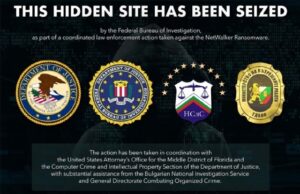
These make up the unindexed parts of the internet, hidden out of sight, below the water line. Penalties for these crimes can include lengthy prison sentences, substantial fines, and asset forfeiture. Additionally, many countries have corporate liability laws that can extend legal liability to companies whose employees use these services.
Directories And Search Engines For Navigation
Because of this, some people use it to get around government restrictions, while others use it for illegal activities like smuggling drugs and weapons. With rising online privacy concerns in the current digital age, the Tor network’s anonymity is becoming essential. It is a good way to prevent third parties from tracking online activities. People in countries with heavy internet censorship must get a VPN or Tor browser to access the surface web.
All anyone monitoring your browsing habits can see is that you’re using Tor. Your privacy, security, and legal compliance are solely your responsibility. We strongly advise robust security practices and strict adherence to all applicable laws. This site is for informational purposes only, offering no warranties or guarantees about the safety or legitimacy of any linked content. Strategy topics will include board performance, technology implementation, data, talent acquisition, deposits and much more. Tor Search constantly crawls (onion) websites 24 hours a day, 7 days a week.
- The deep web represents a vast and complex portion of the internet, encompassing resources that can be invaluable for legitimate purposes while also presenting inherent risks.
- It is a sophisticated ecosystem that commoditizes stolen data and scam services, empowering criminals to exploit vulnerabilities across financial systems.
- Attackers intercept one-time passwords (OTPs) and funnel the stolen funds through a network of money mules, making transactions difficult to detect.
- Understanding the nuances of the Deep Web is crucial in a world increasingly reliant on digital interactions.
- Additionally, resources like HackerNoon provide valuable insights into navigating the deep web securely, including step-by-step guides for accessing legitimate content safely.
- Information around regulatory preparations and concerns as well as credit risks will also be addressed.
The dark web is an anonymous digital marketplace where criminals buy, sell, and trade stolen personal and financial data. This data includes everything from Social Security numbers and credit card details to login credentials and even multi-factor authentication tokens. These records often come from data breaches, phishing attacks, or malware infections targeting consumers and businesses alike. The Hidden Wiki is essentially a collection of hyperlinks to various .onion sites that reside on the Tor network.
So, when you access google.com through Tor, your request bounces from Tor relay to Tor relay before it reaches an “exit node”. That exit node then contacts Google.com for you, and it sends you back the data Google responded with. Google sees this as the exit node’s IP address contacting it instead of your IP address.

This further complicates monitoring efforts because now you need to search for the related Telegram channels and track activity there and on the marketplace itself. If you make use of a password manager, then it may come with a feature that monitors the dark web for mentions of your email address and password, or any other personal details. It’s something built into the password management services offered by Apple and Google as well, so you don’t need to trawl through data leaks manually yourself.
Cybercriminals who are yet to achieve the required levels of sophistication can also avail of ‘cybercrime-as-a-service’ on the dark web, increasing the number of ‘threat actors’ and the resultant risks. With the increase in risks comes an increase in the need to hold regulatory capital in reserve, reducing the capital otherwise available for use and ultimately hurting the financial sector. The financial sector holds a wealth of such data for its consumers, since it collects the data to enable its service offerings while also maintaining regulatory obligations.