The FBI seized the Silk Road servers and served Ulbricht a warrant for Ross Ulbricht, alias Dread Pirate Roberts. Dratel told Newsweek the government’s reliance on metadata bodes ill for defendant rights because it is easily manipulated. All of those coded bits of information—the time stamps and GPS stamps on photos and messages—can be easily manipulated, even forged.
Silk Road Review: The True Story Of The Dark Web’s Illegal Drug Market

This process ensured that both buyers and sellers remained anonymous. Payments were made exclusively in Bitcoin, further masking the identities involved in transactions. The site also implemented an escrow system to hold payments until buyers received their goods, adding a layer of trust in an otherwise murky environment. Overall, Silk Road had a significant impact on the world of online marketplaces and the dark web. While in a way it helped to legitimize Bitcoin and other cryptocurrencies, it also facilitated illegal activities and left a deep, negative mark on society. Adding to the extensive collateral damage from Silk Road, Carl was eventually caught, convicted on extortion, money laundering, and obstruction of justice, and sentenced to 78 months in prison.
They brought up the meaning of the name Dread Pirate Roberts, taken from a story where the name and duties of a person can be passed on seamlessly from one to another. They presented their own conspiracy theories in which Ulbricht was nothing but a fall guy and bet their case on the jury being unable to understand the coded world of darknet transactions. But Ulbricht had only gone dark and had a new set of online advisers and fans, some of whom would prove to be devastatingly disloyal. While his ‘shrooms sprouted, Ulbricht taught himself computer programming.
- At the Metropolitan Detention Center in Brooklyn, Clark described corruption and neglect, which led to his falling from his bunk while experiencing vertigo in 2021, breaking his pelvis, and being left to suffer overnight despite his pleas for help.
- Ulbricht was eventually tracked to an internet cafe in San Francisco, where he logged in as Dread Pirate Roberts.
- One popular post called it “the most ludicrous pardon in American history.”
- But all use cryptocurrency to purchase, and all are delivered to your door.
- All those drugs—Ulbricht reportedly favored hallucinogens—didn’t seem to dull his wits.
Can A VPN Boost Your Internet Speed? Here’s
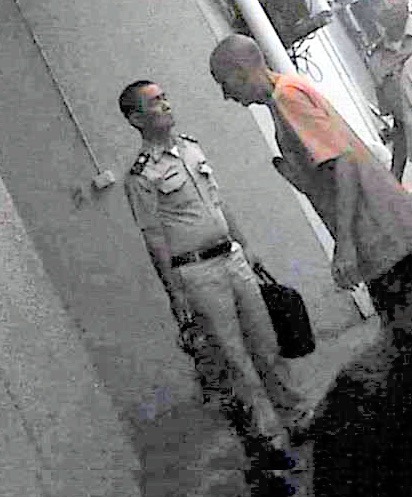
In 2015, $13.5 million worth of the Silk Road Bitcoins were auctioned off. In November 2021, 50,000 additional Bitcoins stolen from Silk Road in 2012 were seized and subsequently sold by the US government for $215.5 million in 2023. In January 2015, four years after Silk Road started, Ross Ulbricht’s trial began. The defense admitted while he had created Silk Road, he handed it off to others, who then lured him back in to take the fall. Two undercover agents stationed near Ross created a diversion by staging a fight.
Five Harmful Anti-Alcohol Myths And The Evidence Against Them
Despite that, Dr Barratt also said that the death of Silk Road fundamentally shifted illegal drug trades on the deep web by sparking dozens of copycat websites. “The kind of connections between the libertarians and cryptocurrency … were the way that Silk Road operated and the way that dark net markets that arose after Silk road was shut down by the FBI were operating. “Silk Road has emerged as the most sophisticated and extensive criminal marketplace on the internet today,” FBI agent Christopher Tarbell said in a criminal complaint lodged by the agency in 2013. Mr Trump on Wednesday said in a post on his social media platform Truth Social that he had called Ulbricht’s mother to deliver the news of his pardon.
Ulbricht created the site in 2011 and used the pseudonym Dread Pirate Roberts online, a reference to the mysterious figure in the movie The Princess Bride (1987), based on the 1973 fantasy book. Canadian Roger Thomas Clark, who used the pseudonym Variety Jones on Silk Road, served as second-in-command to Ulbricht. He was later arrested and pleaded guilty to one count of conspiracy to distribute narcotics in connection with Silk Road. Another key member of Silk Road’s administrative staff, who used the name Smedley, was suspected to be an American web developer in Thailand, but his identity has not been confirmed. The site was named for a network of trade routes that stretched across Eurasia starting about 130 bce. When it opened, Silk Road apparently prohibited the sale of anything with the intent to “harm or defraud,” such as child pornography, assassinations, or weapons.
World Market Darknet
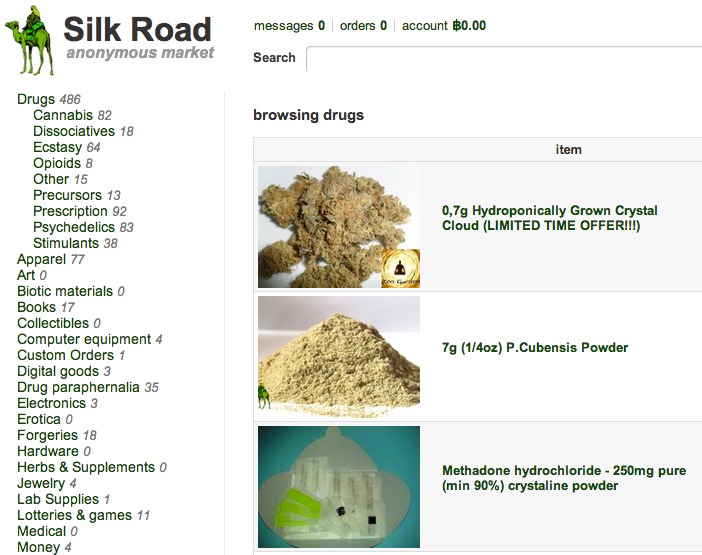
The Silk Road site was set up by Ulbricht in 2011 on the dark web, a part of the internet that’s inaccessible to traditional search engines. It did not accept cash or credit cards; users had to pay with cryptocurrency, such as bitcoin. “It was my pleasure to have just signed a full and unconditional pardon of her son, Ross,” he wrote. “The scum that worked to convict him were some of the same lunatics who were involved in the modern day weaponization of government against me.” In his own remarks, Clark didn’t comment on that murder-for-hire conversation—which he at one point claimed had been fabricated by Ulbricht but later conceded was real. Instead, he focused on his benevolent intentions in running the Silk Road, which he argued had saved thousands of lives through its prevention of overdoses from adulterated drugs.

The final nail in the coffin was when Ulbricht used the same online account to talk about the Silk Road website and to post a job listing with his email address. That oversight exposed him, and a tax agent identified him in 2011, which led to the seizure of his laptop and Silk Road crypto as well as his eventual arrest and subsequent life sentence. He envisioned the site as a “means to abolish the use of coercion and aggression amongst mankind,” according to his LinkedIn page. At its core, the Silk Road operated much like any other e-commerce site, but with a few key differences. Users accessed the site using the Tor browser, which hid their IP addresses by bouncing their internet traffic through a series of encrypted nodes.
Tanya Plibersek Approved Water Plan Without Reading It, Court Finds
Ulbricht, 40, was convicted of seven counts related to his operation of Silk Road, which facilitated the sale of illegal drugs and other illicit goods using Bitcoin, including distributing narcotics and engaging in a criminal enterprise. While most goods on Silk Road were illegal, including drugs, hacking services, and counterfeit documents, the marketplace also offered some legal items like books and art. However, its primary revenue came from drug sales, which accounted for roughly 70% of its inventory. Silk Road was the first modern darknet market and was accessible only via the Tor network, which anonymizes users by routing their activity through a global server network, making their activities difficult to trace. Silk Road used Bitcoin for transactions, which allowed users to make payments with greater anonymity than traditional payment methods.
Democrats Using Inflation To Target House Republicans In Labor Day Weekend Ads
- And if the worst comes to pass, LifeLock will help reimburse you for any money lost due to identity theft and provide expert assistance to help resolve your case.
- But when he was at some nightclub hunting for drug deals, liquor flowing, surrounded by girls, it was hard to believe just how comfortable he felt.
- “Despite all the obscure technology, old-fashioned policing is how they caught him,” Bartlett says.
- Prosecutors also claimed Ulbricht was willing to use violence to protect his criminal enterprise.
- Countering Clark’s claims of interest in “harm reduction,” assistant US attorney Michael Neff pointed to those comments as evidence of Clark’s “complete disregard for human life,” as he put it in Tuesday’s sentencing hearing.
Trump championed Ulbricht’s cause, joining libertarians who said the conviction was an example of government overreach. On Tuesday, he said he had called Ulbricht’s mother to inform her that he had granted a pardon to her son. Users of “The Hidden Wiki”, a dark web website posted the judge’s personal information there, which was having her Social Security number and address.
Origins: Who Created Silk Road?
After its initial launch in early 2011, Silk Road quickly gained attention. On June 1, 2011, a Gawker report introduced the Silk Road marketplace to the public. That attracted the attention of politicians like US Senator Chuck Schumer, and federal agents were put on the case. The Silk Road black market was a philosophical venture as well as a financial one.
Spending most of his time in cafes on his laptop, people weren’t likely to cast him a second glance. Ulbricht’s supporters argue that his prosecution is about something a lot more important than Silk Road. They believe it’s indicative of a rapidly spreading erosion of civil liberties—and they’re not the only ones who believe that. Gizmodo writer Kate Knibbs wrote after the verdict, “Law enforcement was allowed to present damning digital evidence without explaining where it came from. That’s bad news for our civil liberties.”
In two short years, Silk Road grew to more than 100,000 users with sales of nearly $214 million, the largest and most sophisticated online market for illegal drugs in history. Ulbricht ran the site until his arrest in 2013, when it was seized by the FBI. During his trial, prosecutors said at least six deaths were traced to overdoses from drugs bought on Silk Road.
Early Life
DPR would later make several references to the institute on Silk Road discussion forums. The McAfee Institute is an accredited provider of professional training and certifications for law enforcement and investigations units with a specialization in cyber-related sectors. They offer the Certified Cryptocurrency Forensic Investigator (CCFI) designation through an advanced self-study program that culminates in board certification. Ulbricht’s name didn’t come up again until July 2013, when Homeland Security intercepted a package mailed from Canada to Ulbricht’s San Francisco address. Inside, they found several counterfeit IDs that all had pictures of Ulbricht. When DHS agents confronted Ulbricht in person, they had no idea what the Silk Road was—disconnected from the larger investigation, they simply asked him a few questions and left.