
If you want to learn all about privacy protection or cryptocurrency, the dark web has plenty to offer. There are a variety of private and encrypted email services, instructions for installing an anonymous operating system and advanced tips for the privacy-conscious. Dark web websites look pretty much like any other site, but there are important differences. That’s “a special-use top level domain suffix designating an anonymous hidden service reachable via the Tor network,” according to Wikipedia. Browsers with the appropriate proxy can reach these sites, but others can’t.
Malicious Software (Malware)
The Tor browser differs from others such as Chrome or Firefox because it does not take the most direct route from your device to the web. Instead, Tor uses a random set of encrypted servers known as nodes to keep users and sites anonymous. The dark web may be safe in some cases—think legitimate content—and not in others. Only about 6.7% of global users use the dark web for malicious purposes, but it’s smart to be selective about the websites you access. When you envision the dark web, it may conjure up images of hackers trading stolen Social Security numbers or drug dealers advertising their products online—and that’s not completely wrong.
Install And Update Security Software
Simply accessing certain sites or engaging with the wrong links could implicate you in criminal investigations. Many people use it for privacy-focused communication, whistleblowing, or accessing restricted information in censorship-heavy regions. Platforms like SecureDrop even allow journalists to receive tips anonymously. Law enforcement agencies in many countries monitor the dark web to combat illegal activities. Cracking down on many illegal marketplaces on the dark web is the result of such monitoring. So, you risk being flagged or investigated for visiting certain sites, even without criminal intent.
Tor Over VPN Or VPN Over Tor? Dark Web Access Explained
Internet providers and websites can detect when Tor is being used because Tor node IPs are public. Although websites can’t identify you and ISPs can’t decrypt your internet traffic, they can see that Tor is being used. Regular dark web visitors know that it’s possible to exploit the sketchy reputation of the space and the services offered. And though some dark web marketplaces offer user reviews, not all do. Lack of regulation by authorities or other users makes it easy for cybercriminals to carry out scams. It’s possible to buy and sell illegal drugs, malware, and prohibited content in darknet marketplaces.
The best way to find out is to check the “Have I Been Pwned” (HIBP) website. This website allows you to type in your email address or phone number and see if it’s been compromised in any data breaches. If your information has been compromised, then it’s likely that your phone number is also on the dark web.
Ethical And Legal Use Of The Dark Web
Third parties like your ISP can also see when you access Tor and report it to the authorities, even if you’re not doing anything illegal. It’s essential to have additional security measures in place when using Tor. I’ve listed the best ways to access the dark web safely, including connecting to a VPN server and using private search engines. Still, there are plenty of good reasons to access it, like research, whistleblowing, journalism, and financial privacy. Dark web sites use encryption software so their visitors and owners can remain anonymous—it’s why the dark web is home to so much illegal activity. Over 2.7 million active users browse the dark web every day, and many do so for legitimate reasons.
How To Access Your First Dark Web Or Onion Site
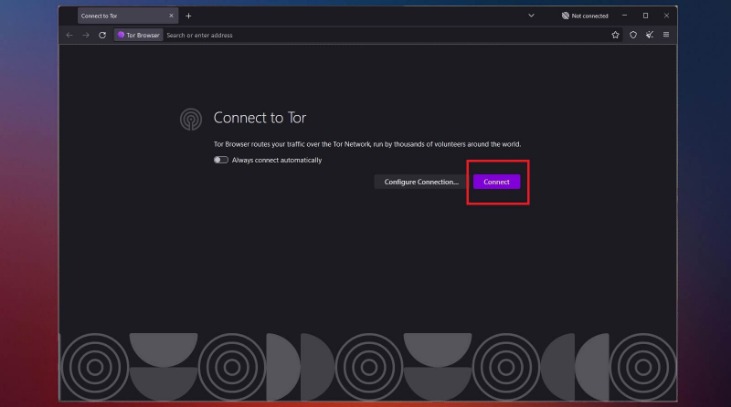
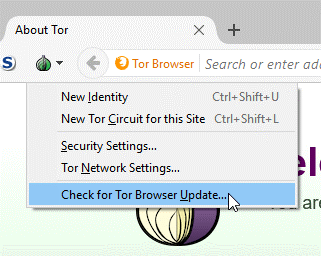
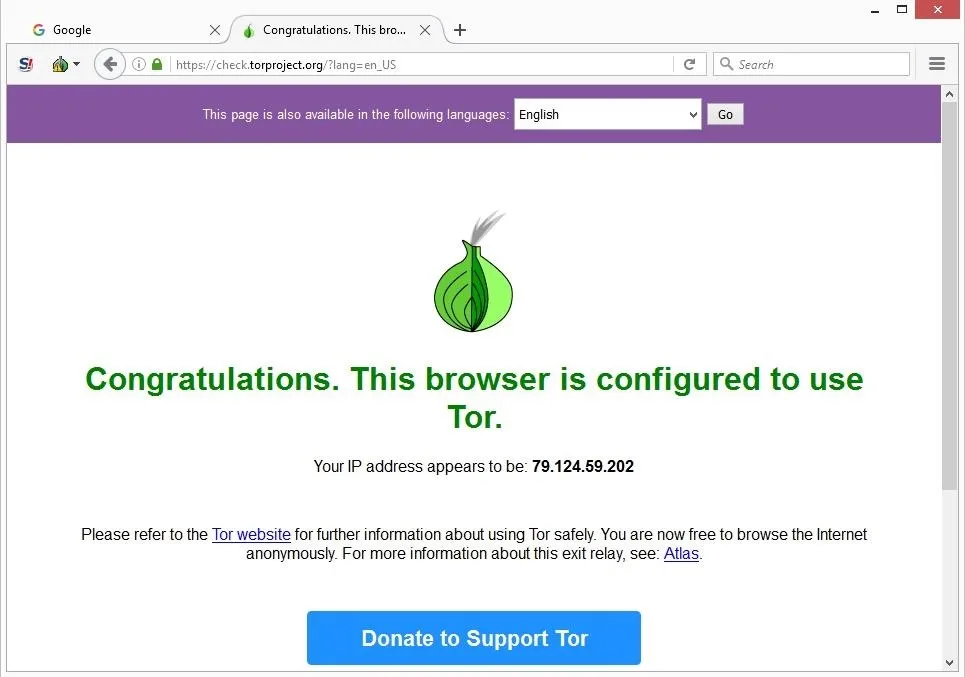
Tor is a web browser that lets you stay anonymous online or access the dark web. Tor shares similarities with VPNs and proxy servers — all of these tools allow anonymous browsing. Tor can be used together with a VPN to provide overlapping layers of privacy and anonymity. The quickest way to access the dark web is to download and install Tor Browser, which will route your traffic through the Tor network and let you access the dark web. On Tor, you can type in any URL you’d like to visit, including .onion links on the dark web.

Myth 1: The Dark Web Is Only Used For Illegal Activities
The encrypted data is sent through a series of network-based nodes called onion routers. For more advanced use, Hyphanet allows you to create and host your own freesites, participate in forums, and communicate anonymously with other users. These features are accessible from the Freenet interface under the “Community” and “Tools” sections. You can enter .onion URLs directly into the Tor Browser’s address bar or visit directories like The Hidden Wiki to find popular sites on the dark web. Also, it is worth noting that using Tor may draw attention from authorities if they suspect you are engaging in illegal activities or if your online behavior raises suspicion. Generally, it’s important to use Tor responsibly and in accordance with local laws and regulations.

The Deep Web hosts information that usually requires a username and a password to access, mainly for security and privacy-related reasons. Victims accidentally download RAT when clicking on a website or any other link. Each time you want to use it, you won’t have to download it on your device; instead, you can insert the DVD or the USB flash drive and use the OS.
- While the Tor network was not created for illegal activities, as it’s harder to trace websites to their physical location, cybercriminals have also adopted it to host their websites.
- Combined with smart surfing behaviour and technologies like Tor and a VPN, even the darkest reaches of the internet may be securely traversed.
- As I mentioned above, the dark web is a decentralized, non-indexed network of web pages, and the sites don’t use standard URLs.
- Using a special browser known as The Onion Router (Tor), users can explore these hidden sites and engage in both legal and illicit activities under the cover of an anonymous IP address.
- Bitcoin allows for anonymous donations, making it easier for terrorists to fund their activities and purchase weaponry.
Arguably, the best-known tool used to access the dark web is the Tor Browser. While there are numerous VPN services that work well with Tor, I’ve found that NordVPN offers the best protection and compatibility, and keeps your personal information safe. This ensures that your real IP address is hidden from the first Tor relay (it sees the IP address that your VPN provider supplies). Then the Tor anonymity network relays further obfuscate your true location, as the browser relays your browser traffic through several relay locations. Because of the relaying of data through the onion nodes, and the encrypting and decrypting taking place at each node, your internet connection will slow considerably. This means the Tor Browser is not recommended for streaming video, playing games, or downloading large files.
Proton VPN has decent connection speeds and has tools for giving long-distance connections a bump. Its VPN Accelerator distributes the CPU load between multiple processes in OpenVPN, and modifies the servers’ Linux stacks to shorten the normal packet processing path. While NordVPN is undoubtedly a great service, it’s not without fault.
Again, not all the dark web is used for illicit purposes despite its ominous-sounding name. When you’re done surfing or shopping on the dark web, don’t forget to shut down Tails. The major advantage of using a live OS such as Tails is that, on shut down, the OS wipes itself from the thumb drive you’ve installed it.