
The dark web is often called the “underbelly of the internet.” It is an anonymous network of websites that can only be accessed through specific software. While it has several legitimate uses, it is also known as the marketplace for illicit activities. Stolen credit cards are also harmful to the businesses from which they were stolen in the first place. Customers whose payment information was stolen are less likely to want to continue doing business with your organization after a hack and your organization may sustain long-lasting reputational damage.
Cool Augmented Reality Examples To Know About
Leaking credit card credentials has become a very common phenomenon on chat applications, particularly Telegram. In fact, the overwhelming majority of leaked credit cards in past months originate from Telegram channels. Carding groups and channels reach up to tens of thousands of members, as they are easy to navigate and readily accessible. If you’re using a browser like Tor and visiting .onion websites that aren’t accessible through regular search engines or browsers, you’re likely on the dark web. These sites often look basic or outdated, and their URLs are lengthy strings of random letters and numbers. Keep in mind that visiting the dark web isn’t illegal, but engaging in criminal activity there is.
- To expand their reach, some marketplaces established parallel channels on Telegram.
- Whistleblowers, journalists, and individuals living in repressive regimes often use the Dark Web to communicate securely and protect their privacy.
- In today’s increasingly digital economy, the underground trade of stolen credit card information is thriving, fueled primarily by anonymous marketplaces on the dark web.
- These are often compiled from multiple sources — often from multiple breaches and other similar databases; these rarely cost more than US$100 and can contain millions of records.
- It claims to control more than 7,000 bots from 190+ countries, with data prices ranging from $3 to $10, based on the quality it offers.
BidenCash Darkweb Market Gives 19 Million Credit Cards For Free
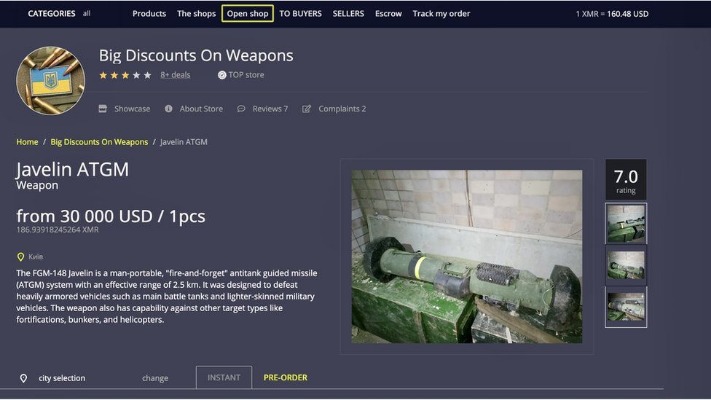
All major credit card networks including Visa, Mastercard, Discover, and American Express offer $0 liability. With stolen payment cards, a cybercriminal can immediately make purchases under your name, or even drain your bank account. And what’s worse, this shady corner of the internet is only getting bigger. A pair of fraudsters used stolen credit card numbers to make £300,000 by selling luxury bikes and bags via online auction sites. Carding sites have existed for years, with new markets popping up on the dark web as authorities shut down existing sites.
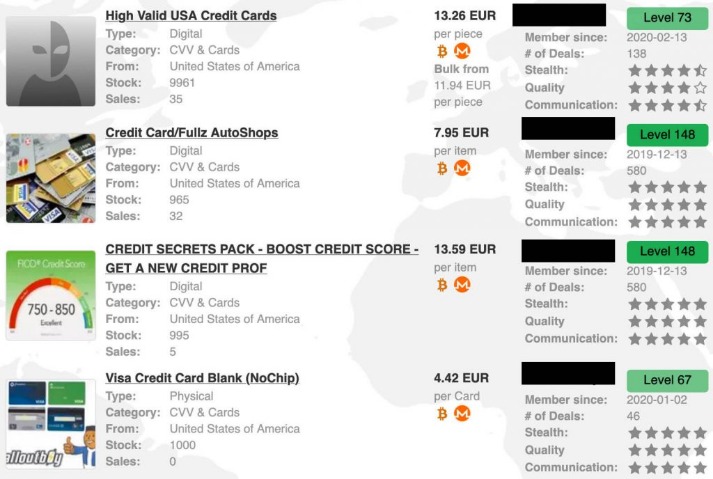
One of the oldest tricks in the book for collecting credit card information is to use a card skimmer on a point-of-sale (POS) terminal in a retail location. In the ever-evolving landscape of cyber threats, businesses face not only financial losses but also significant reputational damage when targeted by fraud actors on the dark web. Monitoring the deep and dark web becomes imperative for proactive defense against such threats.
Leveraging Outseer FraudAction Compromised Credit Card Feeds
A recent report found 4.5 million credit card numbers for sale on the dark web during the first half of 2022. Adopting simple rules and habits, such as using different passwords for different accounts and employing a password manager, can help keep personal data out of the reach of cybercriminals. In March, another Russian language dark web site dumped nearly 2 million credit card details as a promotional tool.
Verified by Visa is a service that prompts the cardholder for a one-time password whenever their card is used at participating stores. The average price of a cloned, physical card is $171, or 5.75 cents per dollar of credit limit. DuckDuckGo is the search engine of choice for the anonymous and highly private darknet. It won’t return the actual forums and markets you need to get to, but it will easily point you to the sites that list and even review such markets and forums.
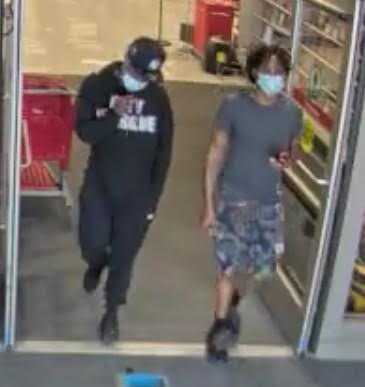
The data then gets parsed, sorted by bank type and location, and sold in batches. One compromised payment processor or e-commerce platform can yield thousands of card numbers at once. Rather than individual hackers working alone, the reality is that we’re dealing with sophisticated criminal enterprises that function like businesses, complete with customer service and quality guarantees. Credit card fraud on the dark web operates quite differently from what many people imagine. That breach, caused by an attack that compromised POS (point-of-sale) devices, went undetected for nine months. The breach affected 860 convenience stores – 600 of those were also gas stations.
Top Strategies For Risk-Based Transaction Monitoring
Sure, you might come across listings for legit products like handcrafted jewelry or digital art, but those are few and far between. Internet criminals buy and sell personal data on the dark web to commit fraud. Dark Web credit card fraud is an ongoing problem and is not showing any signs of going away. This latest pack is the fourth credit card dump the carding market has released for free since October 2022, with the previous leaks counting 1.22 million, 2 million, and 230,000 cards. Torzon Market has established itself as a significant player in the darknet ecosystem, offering a secure, user-centric platform for anonymous trading.
- We’re back with another video in our Webz Insider video series on everything web data.
- In the ever-evolving landscape of cyber threats, businesses face not only financial losses but also significant reputational damage when targeted by fraud actors on the dark web.
- Look for reputable sellers with positive reviews and avoid suspicious websites or deals that seem too good to be true.
- It is crucial to understand that not everything on the Dark Web is unlawful.
- Chip and PIN technology became standard in the 2010s to make physical card cloning more difficult, forcing carders to rely more on online methods.
- This statistic may sound lukewarm now, but e-commerce is rapidly becoming the lion’s share of global transactions.
CyberSecurity #EcommerceFraud #GiftCardScams
This further complicates monitoring efforts because now you need to search for the related Telegram channels and track activity there and on the marketplace itself. Experience Flare for yourself and see why Flare is used by organization’s including federal law enforcement, Fortune 50, financial institutions, and software startups. Use encryption to protect customer data and secure your payment processing system. The more secure your information is, the less likely it will be to fall into the hands of a threat actor.
What Role Do Dark Web Marketplaces Play In Credit Card Fraud?
They sell these files for just a fraction of the original cost on the surface web or even share freely, which makes them tempting for people looking for shortcuts. While it might be tempting, remember that downloading such content has serious legal and cybersecurity risks. These hackers don’t hide in the shadows as much as you might think. Anything from planting malware and stealing sensitive files to hijacking email accounts or breaking into social media profiles.
Some 2.5 million cards were sold on dark Web marketplaces, according to NordVPN. If criminals were to sell the six million cards analyzed for the study, NordVPN estimates they could net more than $18.5 million. Of the cards analyzed, 58.1%, or 3.5 million, belonged to Americans, making the United States the most affected country globally. In comparison, stolen cards overall on the dark Web sell for an average of $7.01, although many are leaked for free, according to the report. Dark web commerce sites have the same features as any e-retail operation, including ratings/reviews, shopping carts and forums, but there are important differences.
Finding A Marketplace

Here is a profile of a Dark Web vendor, one of nearly 2 million total vendors (active and inactive), who sell stolen, hacked, or bogus data and documents on the Dark Web’s 32 data product sites. At N26, we offer our customers convenient, digital banking — without compromising on security. The repercussions of dark web credit card marketplaces, including the rise and fall of Joker’s Stash, extend beyond monetary losses.
The dark web provides an anonymous and unregulated platform for these transactions, making it difficult for authorities to trace and shut down such activities. The dark web is a part of the internet that is not indexed by search engines and requires special software to access. It’s often used for illegal activities, such as buying and selling stolen credit cards. Back in the day, carding forums were the busiest of online crime hangouts, selling packs of stolen credit card data to anyone with the cash.
Kim Komando hosts a weekly call-in show where she provides advice about technology gadgets, websites, smartphone apps and internet security. Credit card details with balances up to $5,000 go for $110, and online banking logins with $2,000 or more go for $60. Actual or formally correct ID card numbers are among the most expensive goods on the dark web.
Carding refers to the illegal practice of using stolen credit card information to make unauthorized purchases or withdrawals. It is a form of financial fraud typically involving stolen credit or debit card numbers, expiration dates, cardholder names, billing addresses, and card verification values (CVVs). Criminals engaged in carding acquire this sensitive data through various methods, including phishing attacks, malware, skimming devices at ATMs, and hacking into databases of retailers or financial institutions.