Once the high wears off, coke can leave you feeling depressed and extremely tired for several days. The short-lived high is also often followed by an intense desire to use more and difficulty sleeping. That also depends on how it’s consumed, along with other variables, like your dose and whether you’re taking other substances. Some people process cocaine into a rock and smoke it, which we’ll get to next.
How Is Crack Cocaine Produced?
If your cocaine was cut with synthetic opioids or amphetamines, your detox may take longer. Both options will help to keep you hydrated and provide crucial vitamins and minerals until you’re able to eat again. Medications used during your detox will vary depending on your symptoms. Cocaine withdrawal causes a range of psychological symptoms, including erratic mood swings, agitation, restlessness, and depression. The only way to completely remove cocaine from your system is to detox and abstain from further use. Cocaine detox is the gradual removal of cocaine from your system once you stop using it.
NIDA is a biomedical research organization and does not provide personalized medical advice, treatment, counseling, or legal consultation. Information provided by NIDA is not a substitute for professional medical care or legal consultation. Cocaine addiction is a complex disease, with physical, mental, social, environmental, and familial factors. There are a variety of treatment methods for cocaine addiction that address all these components.
Insurance May Cover Cocaine Addiction Treatment
In its pure form, cocaine is extracted from the leaves of the coca plant. On the street, it can be diluted or “cut” with other substances to increase the quantity. Crack is cocaine that has been further processed with ammonia or sodium bicarbonate (baking soda) and looks like small flakes or rocks. It is important to note that cocaine withdrawal can be dangerous and should be monitored by a medical professional. In conclusion, understanding how long cocaine stays in the system is an important part of staying safe and healthy.

These structured environments provide 24/7 monitoring of essential signs and symptoms, with medical professionals ready to intervene if complications arise. Inpatient care removes you from environmental triggers that might lead to relapse during this vulnerable period. When you quit an addictive substance like cocaine, your body will experience withdrawal symptoms during detoxification. These symptoms are unavoidable, and a necessary part of recovery, but withdrawal can be uncomfortable and even dangerous if not managed properly. Cocaine typically stays in the body for 1-4 days, but it can be detected in urine for up to 3 days after use.
Binge Use Effects
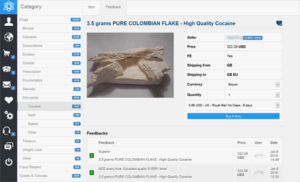
A high tolerance means it takes more cocaine for you to feel its effects. This may lead to using greater amounts of it, which can impact your mental and physical health. I find this to be more reliable and safer, in terms of avoiding criminalization as well as the quality of the drugs, than buying from different people in person. If you’re on probation or parole, a positive test typically constitutes a violation that may result in revocation and incarceration.
Hydration And Other Natural Methods To Clear Cocaine Faster
And in most cases, a drug test of any kind (urine, blood, hair, saliva) will be designed to detect this metabolite in particular. When it comes to cocaine specifically, the half-life of this drug is particularly short – as brief as 30 to 90 minutes long. However, that doesn’t mean that drug tests will no longer detect whether someone is a cocaine user just a few hours after they last got high. The term “half-life” comes from the fact that, with every substance, there is a certain amount of time it takes for the body to reduce the amount that can be found in the blood by one-half. If, for instance, a system has 1 gram of coke in the bloodstream, after it’s half-life there will only be about 0.5 grams left.
Does Pregnancy Affect How Long Cocaine Remains Detectable?
Along with crystal meth and heroin, cocaine is among the most notorious illicit drugs on the street today. As of 2018, adults aged 35 to 44 had the highest cocaine overdose rates. Animal research suggests the orbitofrontal cortex sustains some level of damage over long periods of cocaine use. This can contribute to poor decision-making and decreased self-awareness in people who are addicted to the drug. Most of the available research, however, focuses on prolonged cocaine use.
History Of Cocaine: From South America To The Most Seized Drug In The Netherlands
- Cocaine, sometimes referred to as “crack cocaine,” is a stimulant substance with addictive properties.
- For many users, the pull can be so intense that they are unable to remain clean for long enough even to begin actual recovery.
- Cocaine sold on the street is rarely pure cocaine and street dealers often mix even more additives, in an attempt to increase their profits.
- This means that even if you feel sober, you may still test positive for cocaine if you are subjected to a drug test.
- Sleep helps your body repair and regenerate, which can help speed up the detox process.
- Professional cocaine treatment can also provide a safe and structured environment for individuals to focus on their recovery.
And the longer it stays within the system, the more it can damage the organs within it. In fact, the majority of tests look for what cocaine is broken down into – called metabolites – rather than the cocaine itself. Of course, a “large” dose is also relative to the size (height, weight, BMI) of the user. A small person who uses large amounts of coke is more likely to find the drug in their system than a large person who abuses the same amount. And this sneaky combination, which resembles normal cocaine at first glance, has spurred an increasingly deadly problem for unaware drug users.
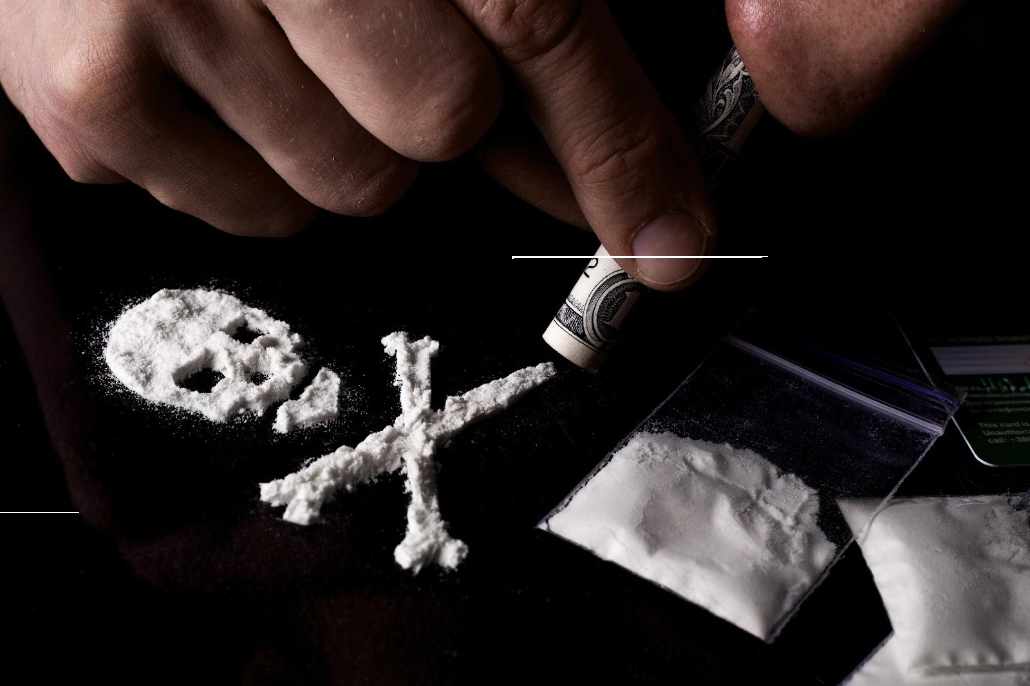
According to the 2016 European Drug Report, 3 percent of Spain’s young adults have tried cocaine. I’m actually glad it’s such a nightmare to get hold of, because I rarely do it. I spoke to an old friend, Jenny, who has been in Australia for five years, and who you could say was a semi-enthusiastic drug user in her salad days.
Urine is used more commonly than blood because it is easier to acquire. Performing a saliva or hair test is less common because it tends to be more expensive. If you are struggling with addiction and co-occurring mental health, our expert team is here to guide you every step of the way. Don’t wait— reach out today to take the first step toward taking control of your life. Cocaine produces its effects by blocking the reuptake of a neurotransmitter called dopamine.
By recognizing the importance of abstinence, seeking professional help, and finding support, individuals can embark on a journey towards long-lasting recovery from cocaine addiction. It’s essential to remember that recovery is a process that requires dedication, patience, and a commitment to a drug-free life. With the right support system and a strong determination to overcome addiction, individuals can achieve a healthier and happier future. Hair follicle testing is a method commonly used to detect the presence of cocaine in an individual’s system. This type of testing offers a longer detection window compared to other methods, providing a historical record of drug use.
- Drug use can be even harder to overcome for individuals suffering from a mental health condition, as withdrawal can worsen symptoms like anxiousness, paranoia, and suicidal thoughts.
- In conclusion, incorporating these home remedies into your lifestyle can help you get cocaine out of your system.
- The report that followed the 2016 Global Drug Survey pointed out that “cocaine remains popular as the stimulant drug of choice for those with money”.
- And they often include support groups, vocational rehab, or therapy.
Cocaine’s short half-life of about 1 hour means its euphoric effects diminish quickly, but its metabolites remain detectable in the body. Benzoylecgonine, for instance, is identified in the urine for up to 3-4 days after use in casual users and longer for chronic users. Cocaine stays in the bloodstream for up to 24 hours after use, as studied by Addiction Resource. Its rapid metabolism by the liver and blood enzymes results in short detection windows, with blood tests used in clinical or emergency settings for recent drug use.
The key factors impacting the detection time include the frequency and amount of cocaine use, individual metabolism rate, and the dosage and purity of cocaine. Not being a medical healthcare provider or source of medical advice in any way, Rehab Seekers connects you with various treatment providers for your specific needs. The information provided by Rehab Seekers is not a substitute for professional treatment advice.