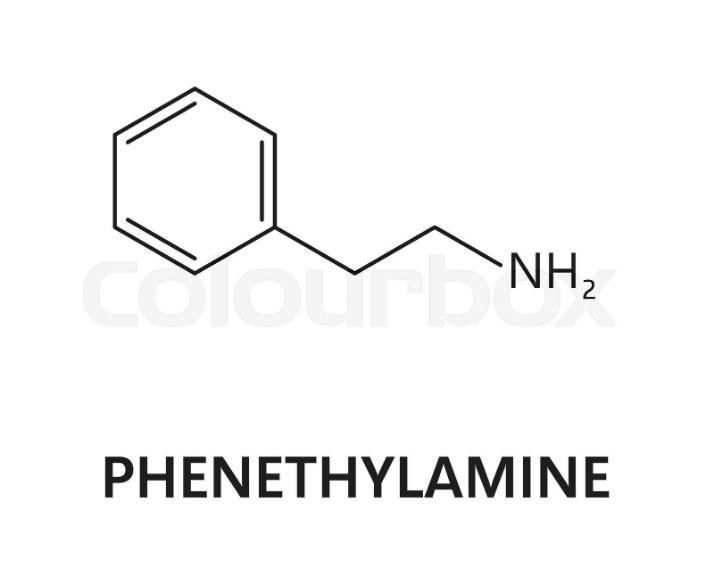
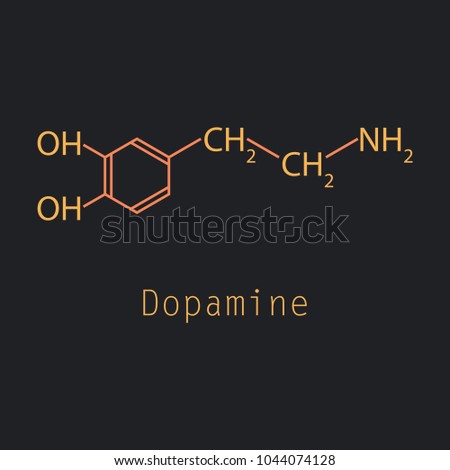
Dopamine transporter (DAT) plays a key role in terminating DA neurotransmission by reuptaking DA released into synapses (Carroll et al., 1999; Enyedy et al., 2003). DAT belongs to the solute carrier superfamily and is characterized by twelve transmembrane domains. It reuptakes synaptic DA released from presynaptic neurons by utilizing the energy of the sodium gradient generated by Na+/K+-ATPase (Kilty et al., 1991; Shimada et al., 1991). DAT plays a major role in clearing synaptic DA; mice lacking this protein show markedly increased locomotor activity (Giros et al., 1996).
Side Effects
An impressive 86 percent experienced relief from depression symptoms for up to 50 weeks. PEA has been shown (mostly in animal studies) to activate dopamine transporters and certain chloride channels that affect moods and behaviors. Phenylethylamine can also be produced from dietary L-phenylalanine, an amino acid and component of dietary protein. Based on studies, it’s estimated that the average diet provides around four grams of phenylethylamine due to consumption of protein foods. Seizures of phenethylamines were first reported from the United States and European countries and since 2009 substances such as 2C-E, 2C-I, 4-FA and PMMA have been commonly reported by several countries in different regions.
The drug discrimination paradigm is a behavioral procedure whereby animals, typically rats, are trained to recognize the “stimulus” or “cueing” properties of a given dose of a training drug versus non-drug using a two-lever operant chamber. Training on drug and non-drug (i.e., typically vehicle) conditions, with (sweetened condensed milk or solid food pellet) re-enforcement, continues daily. Psychedelic phenethylamines are part central nervous system stimulant and part psychedelic. Some may be more appropriately termed entactogens or serotonergic amphetamines than psychedelics. They are pharmacologically diverse in actions, yet all bind 5HT2A receptors. MDMA is being advanced in clinical trials although there are hundreds of other designer psychedelic phenethylamines that could have therapeutic potential.
Hydroxyethylamine Based Analog Targets Microtubule Assembly: An In Silico Study For Anti-cancerous Drug Development
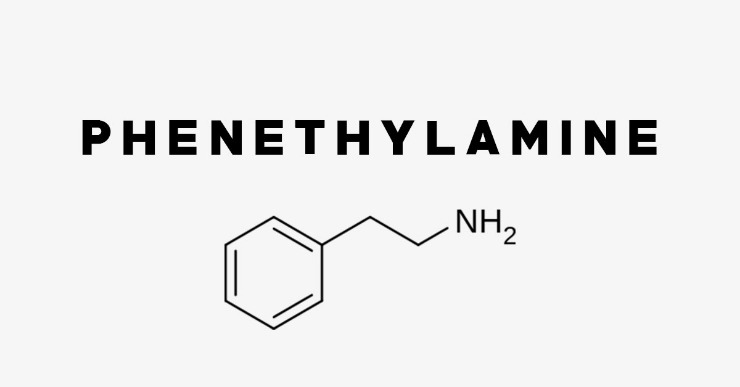
If you are taking one of these substances under careful supervision, there will be very little risk of addiction or other negative health effects. With regular use, Phenethylamine can produce powerful hallucinations which can be beneficial in certain situations, but their real potential uses are still unknown. For a fact, international concerns for phenethylamine have increased and in the UK phenethylamine was outlawed in 2002 and is now considered as a Class A (Schedule I) drug. In the US, the DEA considers phenethylamines as a Schedule I drug and not all.
Mental Health Considerations:
Described below is a procedure we have found useful for our studies, but it is not an animal model of hallucinogenic drug action; rather, it is a model of stimulus similarity. Arylalkylamines (Ar-Cn-N, where n is any whole number) represent one of the most frequently encountered structural scaffolds found amongst pharmacologically- and physiologically-active, naturally-occurring or synthetic substances. But, to many in medicinal chemistry, the term arylalkylamine conjures up something more restrictive (although there is probably no logical reason for this), and typically implies a chain length of two carbon atoms between the (hetero)aryl (Ar) and amine (N) moieties. Within the greater domain of arylalkylamines are the phenylalkylamines – compounds with some of the same structural attributes mentioned above regarding the “alkyl” and “amine” portions, but where Ar is a phenyl (Ph) or substituted phenyl ring. This means that PEA stimulates the release of dopamine, norepinephrine, and serotonin in the brain.
Increasing these neurotransmitters in certain brain areas may, in theory, promote a positive mood and lead to a greater sense of well-being. However, there is insufficient evidence to claim that phenethylamine improves mood 10. While it’s unlikely to when taken in moderate doses, in high doses it may cause a positive test result for amphetamine/methamphetamine.

International Concerns Of Phenethylamine Towards Abuse
Furthermore, phenethylamine is sold as a dietary supplement, often promoted for boosting mood, aiding in weight loss, or enhancing energy levels. Microtubules are polymers composed of αβ-beta tubulin heterodimers that are responsible for many important functions in cells, from protein transport to cell division, and dendrite interactions with synapses of neurons14. Microtubules go through dynamic instability phases of sporadic polymerization that cause microtubule growth by assembling increasing the concentration of guanosine triphosphate (GTP)-tubulin molecules. Dynamic instability also involves sporadic depolymerization causing the microtubule to shrink because the GTP-tubulin assembly gets hydrolyzed to release energy and attain stability in a curved state15. Microtubules play a key role in cell division, through the formation of mitotic spindles, a structure that relies on the dynamic instability and precise dynamic stages of microtubule growth and shrinkage during mitosis16. Microtubule-targeting agents that interfere with microtubule dynamics can contribute to the formation of or exacerbate these conditions.
Clinical Pearls:
However, given the black box warning regarding neuroleptics causing QT prolongation and small risk for ventricular dysrhythmias, if a patient is known to have QT prolongation, neuroleptics may be avoided. Despite this, neuroleptics have a long clinical history of safe use for chemical restraint in undifferentiated agitation and may offer a mechanism by which to regulate dopamine in excited delirium 46, 48–50. Studies by Battaglia and Bieniek et al. showed superior efficacy with a combination of haloperidol and lorazapam as compared to either drug alone for psychotic agitation 49. Additionally, in addition to their prominent therapeutic applications, it is worth mentioning the recreational use of a long list of alkaloids incorporating the aforementioned moiety (“designer drugs”) 2, responsible for drug abuse-related conditions 3,4,5,6,7,8. Surprisingly, the literature lacks a comprehensive summary that bundles up 2-phenethylamine-based structures and known therapeutic targets, including basic hits or advanced leads. Pairing these will present an appealing opportunity to both new and experienced researchers to summarize 2-phenethylamines target binding and therapeutic scope, as well as selectivity/antitarget issues.
Understanding The “Lost Family” Of Psychedelics
- Keep in mind that natural products are not always necessarily safe and dosages can be important.
- These symptoms can include tension headaches, motion sickness, nausea, a faster heartbeat, and high blood pressure.
- Training doses were 1.0, 1.0, and 0.5 mg/kg for S(+)AMPH, S(+)METH, and S(-)MCAT, respectively.
- Thus, we presume that R and S configurations of compound 9 bind hDAT similarly and that the (R, S)-form of compound 28 bind DAT more dominantly than other isomers.
- Fentanyl is an incredibly powerful and deadly narcotic, with doses as low as two milligrams (a dose so small it could fit on the tip of a pencil) being potentially deadly.
Several non-profit harm reduction organizations, such as DanceSafe, offer fentanyl testing strips and at-home drug testing kits. The neurotransmitter class includes phenethylamine itself as well as norepinephrine, dopamine, and epinephrine which are endogenous catecholamines that act as chemical messengers at adrenergic and dopaminergic synapses. Dosages between 10 and 60 mg are used when combined with a strong monoamine oxidase inhibitor (MAOI) like selegiline, which prevents the breakdown of phenethylamine in the stomach. Clinical trials are lacking in humans, especially double-blind, randomized controlled trials measuring the effects of phenethylamine alone. In addition, at least 5 deaths have been reported in people who had taken “legal” phenethylamine-based drugs 64.
Given that more significant doses could have adverse consequences, beginning with a modest dose and gradually increasing it is crucial. In PIHKAL, Shulgin notes that during an experience with 25 mg of 2C-E, he became “anxious and sweaty” within a few minutes of taking the substance 3. He also experienced “toxic psychosis,” and hearing voices talk to him about his worst fears. Another user notes an “intense” experience after ingesting 16 mg of 2C-E in an oral solution 3, 9. At the peak of the high, the user experienced “extreme hallucinations” and suicidal thoughts, lasting for approximately 30 min 3, 9. According to manufacturers of phenethylamine supplements, the recommended dosage is usually between 100 and 500 mg 1 to 3 times daily and should not exceed 1,000 mg per day.
Best Responsible Uses Of Phenylethylamine (PEA)
Monoamine oxidase (MAO) supplements are another popular substance used by depressed patients to try and combat the nasty side effects of phenethylamine. Like most supplements, there is good, reliable information out there concerning the efficacy of these products in helping to treat phenylamine-induced behavior disorders and the like. However, it is also important for anyone considering MAO products to know and understand that even though the substances themselves are relatively safe, any MAO product, even those sold over-the-counter, can produce a dangerous build-up of potentially harmful conditions if used improperly. Although it’s mainly used as a neurotransmitter in the human brain, phenethylamine can also be produced in other organisms. As we look to the future, it’s crucial to encourage further research into PEA and its effects on brain function.
Initial treatment must consist of maintaining airway, breathing, and circulation. Patients with apparent intoxication should have an intravenous line and be placed on a cardiac monitor. Patients presenting with dysphoria should be placed in a calm and quiet environment until signs and symptoms of intoxication are minimized 44. Rapid sedation, fluid resuscitation, and reduction of hyperthermia are the foundation of excited delirium treatment. If autonomic hyperactivity secondary to abnormal dopamine processing is to blame for the clinical presentation of excited delirium, then rapid sedation of the patient and attenuation of catecholamines is the goal.
Studies examining time to adequate sedation for IM droperidol or IM haloperidol administered for control of acute agitation have demonstrated delays of approximately 15–30 min until peak sedation was achieved 49–51. Burnett et al. suggest ketamine as an alternative chemical restraint agent for patients in excited delirium, and they are not alone in this suggestion 52, 53. Benefits of ketamine include rapid onset, predictable ability to induce a dissociated state, and lack of cardiovascular or respiratory depression. However, ketamine may result in airway compromise, including laryngospasm and hypoxia, or have stimulatory cardiovascular effects resulting in increased tachycardia and hypertension. Management of acute 2C intoxication consists of focused, symptom-based supportive care.
Functional Studies Of Dopamine Reuptake Inhibition
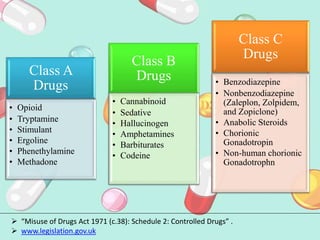
Psychedelic actions and effects occur due to release of serotonin and modulation of ‘psychedelic’ 5HT2A receptors while propensity for re-dosing and habituation is linked to duration of action and effects on dopamine. Many of these psychoactive compounds exert their pharmacological effects primarily by modulating monoamine neurotransmitter systems; however, there is no mechanism of action or biological target that is common to all members of this subclass. The chemical properties of the biogenic amines, trace amines, and structurally related drugs are summarized in Illustration 2. Illustration 3 is a graphic representation of the regulatory pathway from the trace amine PEA to the increased concentration of the biogenic amines and neurotransmitters dopamine and serotonin. Chapter II summarizes the impact of PEA on three psychological disorders, attention deficit hyperactivity disorder, depression, and schizophrenia. Arylalkylamines we had termed classical hallucinogens included indolealkylamines (e.g. LSD, 5-OMe DMT) and phenylalkylamines (e.g. mescaline, DOM).
And E.Y.J. All authors have read and agreed to the published version of the manuscript. Structures of S(+)amphetamine S(+)AMPH, S(+)methamphetamine S(+)METH, and their phenylpropanolamine counterparts. Phenylethylamine is highly bioavailable, and quickly crosses the blood-brain barrier. Phenylethylamine (PEA) suggested dosage for cognitive benefit is 500 mg up to 3-times per day. Selective serotonin reuptake inhibitors (SSRI) are the most popular antidepressants prescribed worldwide. SSRIs work by blocking the serotonin transporter and inhibiting the reuptake of the neurotransmitter in your brain called serotonin.