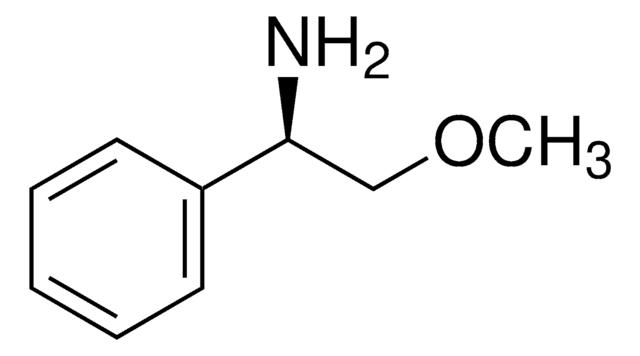
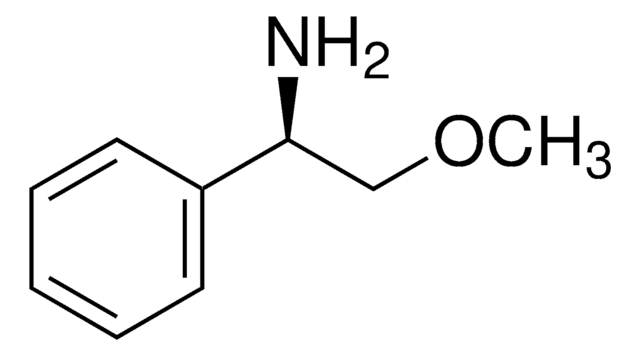
The simplest phenylethylamine, phenylethylamine (1) itself, also known as 2-phenylethylamine, 2-phenylaminoethane, phenethylamine, β-phenylethylamine, or simply PEA. PEA (1; Figure 2), was first isolated and identified by the Polish chemist Marceli Nencki in 1876 (as reviewed by Grandy3). More than 140 years later, PEA (1) and its analogs remain a continuing and fascinating (and, perhaps, growing) topic of interest for medicinal chemists and, as witnessed by the number of new agents appearing on the illicit market, for clandestine chemists as well. DA fluxes were induced by applying 50 μM βPEA and recorded using a carbon fiber electrodes connected to an Axopatch 200B amplifier (Molecular Devices, Sunnyvale, CA).
How To Partner With Your Mental Health Provider
A comparison of PEA’s action to that of other trace and biogenic amines is provided (Illustration 3). Finally, Chapter III describes the role of PEA in food processing, starting with its occurrence in fermented food and meat as the result of microbial metabolism (3.1) and its occurrence in chocolate as the result of thermal processing (3.2). The article concludes with the recently described use of PEA as an antimicrobial to be used in the processing of beef meat (3.3). Numerous endogenous compounds—including hormones, monoamine neurotransmitters, and many trace amines (e.g., dopamine, norepinephrine, adrenaline, tyramine, and others)—are substituted phenethylamines.
Insufficient Evidence To Rate Effectiveness For
Part of the overarching “racetam” family, it provides a fair-to-middling brain boost and improves performance on some mental tasks by enhancing “cellular membrane fluidity.” You won’t get the stimulating or mood altering effects that Phenylethylamine offers, though. The interactions with other compounds are not understood to a great degree as of yet, though, there is some evidence showing that amines like Phenylethylamine will inhibit the secretion of prolactin (the hormone responsible for milk production in females). Proponents use it to increase their athletic ability, lose weight, increase their attention spans, combat depression, and as a supplement to support better overall mood. The amount of phenylethylamine that you take depends on how you consume it, the specific results you are seeking and whether you are pairing the supplement with other chemicals.
Bovine Colostrum Benefits For Immune, Gut And Skin Health (and Beyond)
It consists of a benzene ring (a hexagonal arrangement of carbon atoms) attached to an ethylamine group. This structure might sound like gibberish to non-chemists, but think of it as a tiny molecular key that fits perfectly into certain locks in our brain. Chemical structures of indolealkylamines α-MeT (101) and α-ET (102), and the 5-HT releasing agent fenfluramine (103).
Rhymes For Phenylethylamine
Stimulants mediate the actions of dopamine, norepinephrine and/or serotonin, mimicking the effects of traditional drugs such as cocaine, amphetamine, methamphetamine, and ecstasy. Classic hallucinogens (psychedelics) mediate specific serotonin-receptor activities and produce hallucinations. Substances in these group mimic the effects of traditional drugs such as 2C-B, LSD and DMT but may also possess residual stimulant activity. Finally, the stage was set to examine various arylalkylamines and to classify them as being hallucinogens (actually, as being DOM-like) or stimulants (or being amphetamine-like). Furthermore, the drug discrimination paradigm, being centrally-mediated, allowed us to identify (or eliminate) agents that did not readily penetrate the BBB barrier. Β-phenylethylamine (PEA) is a small molecule that exhibits an array of intriguing and seemingly unrelated functions.
With your FREE subscription, you get immediate access to our exclusive articles as well as product offers and opportunities that let you stay ahead of the curve. PEA may interact with other drugs, especially those that modify the brain’s levels of monoamine neurotransmitters. Taking PEA along with these medications should be avoided as it may raise the possibility of negative consequences. While it’s unlikely to when taken in moderate doses, in high doses it may cause a positive test result for amphetamine/methamphetamine.
5 Β-PEA Produced A Higher Breakpoint In Self-Administration Under Progressive Ratio Schedules Of Reinforcement In Rats
The results showed that acute β-PEA administration significantly increased circling and head-twitching behaviors and produced drug-paired place preference in mice. In addition, the exposure to β-PEA induced a positive affective state in rats, and rats self-administered β-PEA under FR and PR schedules of reinforcement. In mechanistic studies, the administration of β-PEA significantly increased the DA concentration and TH and p-DAT protein expression in the dorsal striatum of mice. Finally, the pharmacological blockade of DAD1R with a DAD1R antagonist, SCH23390, significantly attenuated circling behavior in mice and β-PEA-taking behavior in rats. Taken together, our findings suggest that β-PEA has psychoactive properties given its rewarding and reinforcing effects via the activation of dopaminergic neurotransmission, and it has psychotomimetic potentials such as circling or head-twitching behavior.
3 Β-Adrenergic Receptors
Phenethylamine (PEA) is a naturally occurring compound found in certain foods such as chocolate and is also produced endogenously in the human body. Historically, PEA has been recognized for its potential mood-enhancing properties, often referred to as the “love drug” due to its association with improved mood and feelings of well-being. It has been used in nutritional products and dietary supplements aiming to support mental alertness, energy, and a positive mood.

This program included an extensive training session on food safety and sanitation that displayed cultural sensitivity and various communication strategies and incentives to spread these important food safety and sanitation messages into the communities. Both the yolks and whites of eggs also contain the amino acid, according to research. Foods high in phenylalanine include chickpeas, beans, and lentils, according to Parkview Health, a healthcare system based in Indiana and Ohio.
- It’s also important to follow the recommended dosage guidelines and not to exceed the maximum recommended dose.
- Specifically, because of its stimulating effects and similarities with amphetamines, using it with nootropics could be a risky proposition for some.
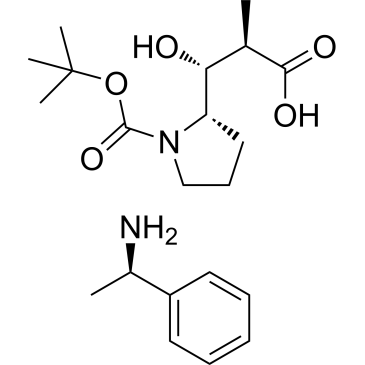
- (R)-(+)-a-Methylbenzylamine also known as (R)-(+)-1-Phenylethylamine may be used in resolution of a chiral arylalkylamine involving high-conversion enantioselective condensation with capric acid followed by hydrolysis to yield corresponding (R)-(+)-amide.
- Despite these promising findings, it is important to note that human clinical research on PEA remains limited, and its rapid metabolism in the body can reduce its effectiveness when taken orally.
It is also responsible for the “love drug” effect that people experience when they are in love with someone. Phenylethylamine improves brain health and function in a variety of ways. This category comprised of PEA substances includes amphetamines, stimulants, empathogens, psychoactives, appetite suppressants, nasal decongestants, bronchodilators and antidepressants. PEA isn’t among the top Nootropics stack options due to its effects being so brief-lived. However, some neurohackers love PEA because of it’s stimulantand mood-enhancing properties. Phenylethylamine is highly bioavailable, and quickly crosses the blood-brain barrier.
However, technical difficulties precluded the use of this paradigm on a wide-scale basis. Nevertheless, the three-lever procedure provided “proof of concept” and was the first to show that animals could be trained to discriminate the stimulus effects of optical isomers of a given agent. The drug discrimination paradigm is a behavioral procedure whereby animals, typically rats, are trained to recognize the “stimulus” or “cueing” properties of a given dose of a training drug versus non-drug using a two-lever operant chamber. Training on drug and non-drug (i.e., typically vehicle) conditions, with (sweetened condensed milk or solid food pellet) re-enforcement, continues daily. Chocolate, cheese, and several fermented foods contain trace levels of the monoamine alkaloid phenylethylamine (PEA), a naturally occurring substance. Additionally, the human body spontaneously makes it from the amino acid phenylalanine.
While there is some evidence to suggest that PEA may be able to aid in weight loss, it’s important to note that there is no magic pill or supplement that can instantly lead to significant weight loss. If you are looking to lose weight, it’s important to adopt a healthy and balanced diet, engage in regular physical activity, and consult with a healthcare professional to determine the best approach for your individual needs. The changes in DA concentration of the dorsal striatum after the acute administration of saline or β-PEA were measured using a DA ELISA kit (#KA1887, Abnova, Taipei, Taiwan).